• Home
  • Search
  • Browse Collections
  • My Account
  • About
  • DC Network Digital Commons Network™
Skip to main content
University of Northern Iowa

UNI ScholarWorks

  • My Account
  • FAQ
  • About
  • Home

Home > Faculty Book Gallery

Faculty Book Gallery


A Faculty Book Gallery has been developed that showcases the book publications authored and edited by faculty and staff at the University of Northern Iowa.

Individual department pages have Faculty Book Galleries that list the books authored and edited by faculty and staff from the particular department.

Printing is not supported at the primary Gallery Thumbnail page. Please first navigate to a specific Image before printing.

Follow

Switch View View Slideshow
  • RDA, Resource Description & Access and Cartographic Resources
  • The Manual of Speech Sound Disorders: A Book for Students and Clinicians
  • Integrated Roadside Vegetation Management Technical Manual
  • Media & Culture: Mass Communication in a Digital Age
  • Size of the Risk: Histories of Multiple Use in the Great Basin
  • Changing Minds, Changing Schools, Changing Systems: Comprehensive Literacy Design for School Improvement
  • Managing Recreation, Parks, and Leisure Services: An Introduction
  • Gubernatorial Stability in Iowa: A Stanglehold on Power
  • Ethnic Dress in the United States: A Cultural Encyclopedia
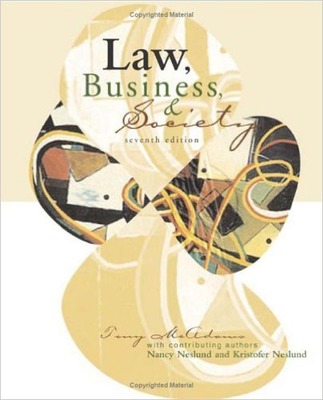
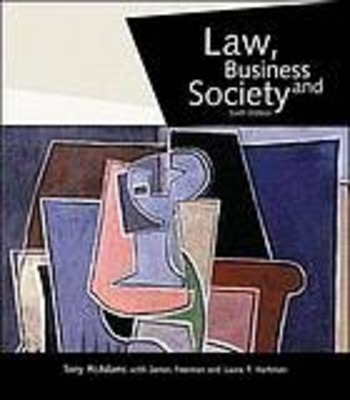
  • Law, Business, and Society
  • Building High Integrity Applications with SPARK
  • SAFE and Fun Playgrounds: A Handbook
  • Disturbing Argument
  • Invention through Form and Function Analogy
  • Century of the Leisured Masses: Entertainment and the Transformation of Twentieth-Century America
  • The Big Leagues Go to Washington: Congress and Sports Antitrust, 1951-1989
  • Anthropological Research Framing for Archaelogical Geophysics: Material Signatures of Past Human Behavior
  • Corportate Social Responsibility and Sustainable Development in Emerging Economies
  • Social Welfare Policy for a Sustainable Future: The U.S. in Global Context
  • Politics, Poverty, and Microfinance: How Governments Get in the Way of Helping the Poor
  • Juvenile Delinquency
  • Juvenile Justice in America
  • The Late Eight
  • Media & Culture: Mass Communication in a Digital Age
  • Ain't No Harm to Kill the Devil: The Life and Legend of John Fairfield, Abolitionist for Hire
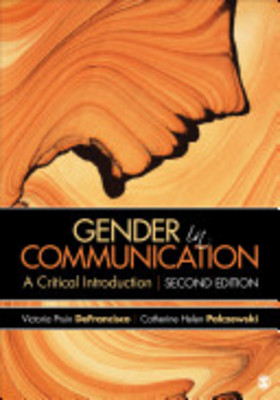
  • Gender in Communication: A Critical Introduction
  • Language, Immigration and Labor: Negotiating Work in the U.S.-Mexico Borderlands
  • Leisure as Transformation
  • Physical Education & Health: Global Perspectives & Best Practice
  • Historical Dictonary of Sikhism
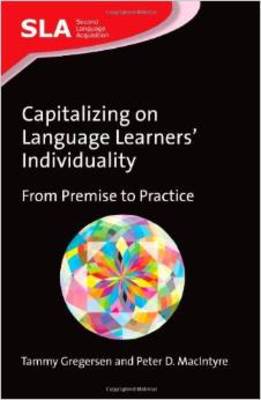
  • Capitalizing on Language Learners' Individuality: From Premise to Practice
  • Biographical Encyclopedia of Astromomers
  • Symbolic Interaction and New Social Media
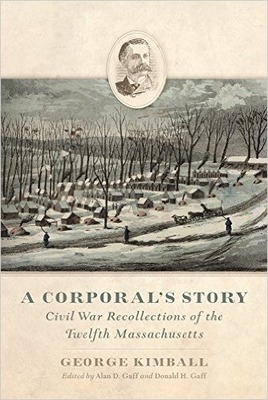
  • A Corporal's Story: Civil War Recollections of the Twelfth Massachusetts
  • Frank Lloyd Wright and His Manner of Thought
  • Arctic Social Indicators: ASI II - Implementation
  • Seeking Balance: The Story of a Principal's Second Semester
  • Applying Complexity Theory: Whole Systems Approaches to Criminal Justice and Social Work
  • Intimate Domain: Desire, Trauma, and Mimetic Theory
  • Editing Lives: Essays in Contemporary Textual and Biographical Studies in Honor of O M Brack, Jr.
  • Civil-Military Relationships in Developing Countries
  • Women and the Criminal Justice System
  • Geography of the Holy Land: New Insights
  • Leisure Education: A Person-Centered, System-Directed, Social Policy Perspective
  • Enhancing Teaching and Learning: A Leadership Guide for School Libraries
  • The Sikh Zafar-Namah of Guru Gobind Singh: A Discursive Blade in the Heart of the Mughal Empire
  • Research in Communication Sciences and Disorders: Methods for Systematic Inquiry
  • Reality Calling: The Story of a Principal's First Semester
  • Applying Cultural Anthropology: An Introductory Reader
  • Decision Support Analytics and Business Intelligence
  • Engineering Effective Decision Support Technologies: New Models and Applications
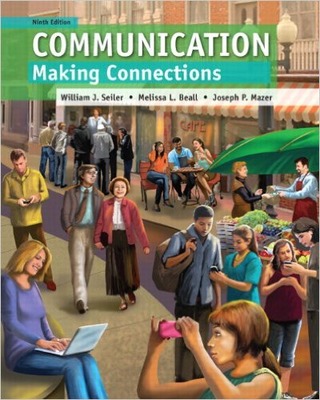
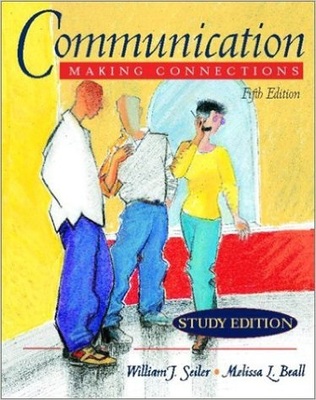
  • Communication: Making Connections
  • Run to Glory & Profits: The Economic Rise of the NFL during the 1950s
  • Climate Change, Sustainable Development, and Human Security: A Comparative Analysis
  • Restorative Justice Today: Practical Applications
  • Queen Salome: Jerusalem's Warrior Monarch of the First Century B.C.E.
  • Shell Games: The Life and Times of Pearl Mcgill, Industrial Spy and Pioneer Labor Activist
  • The Federal Government and Urban Housing
  • Porn Chic: Exploring the Contours of Raunch Eroticism
  • Law, Business, and Society
  • Africa, Tropical Timber, Turfs and Trade: Geographic Perspectives on Ghana's Timber Industry and Development
  • The Rise of the National Basketball Association
  • Early Modern Dutch Prints of Africa
  • Water Resource Conflicts and International Security: A Global Perspective
  • Addiction Treatment: A Strengths Perspective
  • The Maid Narratives: Black Domestics and White Families in the Jim Crow South
  • Confronting Oppression, Restoring Justice: From Policy Analysis to Social Action
  • Cognitive and Rational-Emotive Behavior Therapy with Couples: Theory and Practice
  • Beyond Great Powers and Hegemons: Why Secondary States Support, Follow, or Challenge
  • Ramps & Pathways: A Constructivist Approach to Physics with Young Children
  • Leadership for Recreation, Parks, and Leisure Services
  • Kinesiology: Scientific Basis of Human Motion
  • How We See the Sky: A Naked-Eye Tour of Day & Night
  • Biobased Lubricants and Greases: Technology and Products
  • Building Parallel, Embedded, and Real-Time Applications with ADA
  • The Principal's Hot Seat: Observing Real-World Dilemmas
  • Spatial Decision Support Systems: Principles and Practices
  • Wins, Losses, and Empty Seats: How Baseball Outlasted the Great Depression
  • Women and the Criminal Justice System
  • Human Behavior and the Social Environment, Macro Level: Groups, Communities, and Organizations
  • Selections from the UNI Permanent Art Collection
  • Juvenile Justice In America
  • Olivia's Story: The Conspiracy of Heroes Behind Shelley v. Kraemer
  • The Importance of Being Earnest: A Trivial Comedy for Serious People
  • Dramaturgas Puertorriquenas De 1990 A 2010
  • Basic Statistics for Social Workers
  • Communication: Making Connections
  • The Tallgrass Prairie Center Guide to Prairie Restoration in the Upper Midwest
  • The Ball Game Biz: An Introduction to the Economics Of Professional Team Sports
  • Human Behavior and the Social Environment, Micro Level: Individuals and Families
  • Working with Female Offenders: A Gender Sensitive Approach
  • Evidence-based Practice in the Field of Substance Abuse: A Book of Readings
  • The Tallgrass Prairie Center Guide to Seed and Seedling Identification in the Upper Midwest
  • Postville, U.S.A.: Surviving Diversity in Small-Town America
  • Contemporary Precalculus: A Graphing Approach
  • Affirmative Action
  • Kurt Vonnegut's America
  • Neoclassical Realism, the State, and Foreign Policy
  • The Principal's Challenge: Learning from Gay and Lesbian Students
  • Decision Support Basics
  • Love as Always, Kurt: Vonnegut as I Knew Him
  • Post-Reform Development in Asia: Essays for Amiya Kumar Bagchi
  • Lovers & Strangers
  • Death by Domestic Violence: Preventing the Murders and Murder-Suicides
  • Finding Purpose in Narnia: A Journey with Prince Caspian
  • Media and Culture: An Introduction to Mass Communication
  • Leisure as Transformation
  • Managing Recreation, Parks, and Leisure Services: An Introduction
  • Kinesiology: Scientific Basis of Human Motion
  • Seeing All Kids as Readers: A New Vision for Literacy in the Inclusive Early Childhood Classroom
  • Strange Places: The Political Potentials and Perils of Everyday Spaces
  • The Postwar New York Yankees: Baseball's Golden Age Revisited
  • Communicating Gender Diversity: A Critical Approach
  • Tallgrass Prairie Center's Native Seed Production Manual
  • Leadership in Leisure Services: Making a Difference
  • Decision Support for Global Enterprises
  • Changing Fashion: A Critical Introduction to Trend Analysis and Meaning
  • Law, Business, and Society
  • The "Dark Heathenism" of the American Novelist Ishmael Reed: African Voodoo As American Literary Hoodoo
  • Quilting: The Fabric of Everyday Life
  • S.A.F.E. Play Areas: Creation, Maintenance, and Renovation
  • Human Behavior and the Social Environment: Micro Level: Individuals and Families
  • The Iron Curtain of Language
  • Inman's War: A Soldier's Story of Life in a Colored Battalion in WWII
  • The Miniature Room: Poems
  • Narratives from the 1971 Attica Prison Riot: Toward a New Theory of Correctional Disturbances
  • Addressing the State of the Union: The Evolution and Impact of the President's Big Speech
  • A Central European Synthesis of Radical and Magisterial Reform: The Sacramental Theology of Balthasar Hubmaier
  • Veblen in Plain English: A Complete Introduction to Thorstein Veblen's Economics
  • Lamentations on the Rwandan Genocide: Poems
  • Playing Mac: A Novella in Two Acts, and Other Scenes
  • Notes from the Flyover: Celebrating the Life and Works of Barbara Lounsberry
  • Introduction to Social Welfare and Social Work: The U.S. in Global Perspective
  • Modern Woodworking: Tools, Materials, and Processes
  • A Parent's Guide to Harry Potter
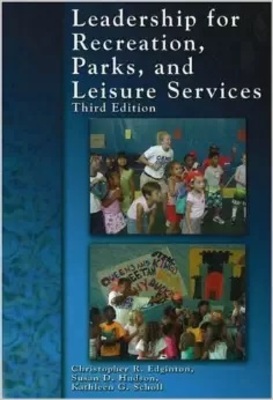
  • Leadership for Recreation, Parks, and Leisure Service
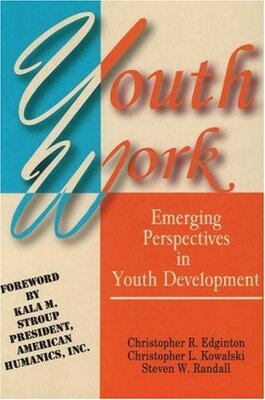
  • Youth Work: Emerging Perspectives in Youth Development
  • Martyrdom in the Sikh Tradition: Playing the 'Game of Love'
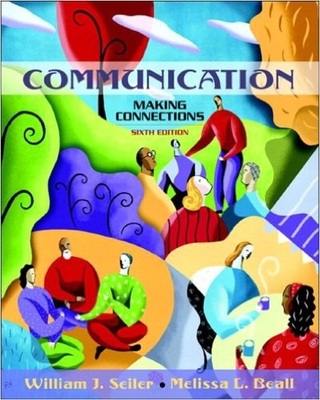
  • Communication: Making Connections
  • Teaching Sociological Concepts and the Sociology of Gender
  • Postmodern Medievalisms
  • Sephardic Identity: Essays on a Vanishing Jewish Culture
  • I Cried to the Lord: A Study of the Psalms of Solomon's Historical Background and Social Setting
  • Judaism
  • Manual of Articulation and Phonological Disorders: Infancy through Adulthood
  • Politics In The Andes: Identity, Conflict, Reform
  • Civil-Military Relations, Nation-Building, and National Identity: Comparative Perspectives
  • Wrong Turn on the Information Superhighway: Education and the Commercialization of the Internet
  • Daily Life in the Industrial United States, 1870- 1900
  • Pacific Skies: American Flyers in World War II
  • The Vonnegut Effect
  • Mixed Automorphic Forms, Torus Bundles, and Jacobi Forms
  • Ethnic Conflict and International Politics: Explaining Diffusion and Escalation
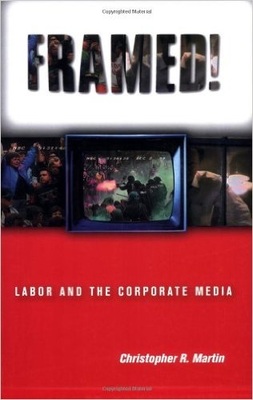
  • Framed!: Labor and the Corporate Media
  • Law, Business, and Society
  • Hinduism
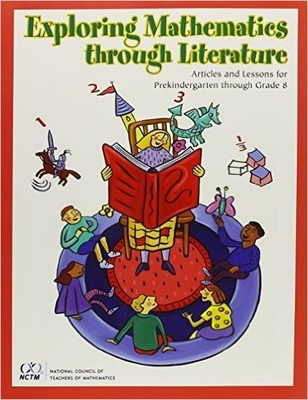
  • Exploring Mathematics Through Literature: Articles and Lessons for Prekindergarten Through Grade 8
  • Confronting Oppression, Restoring Justice: From Policy Analysis to Social Action
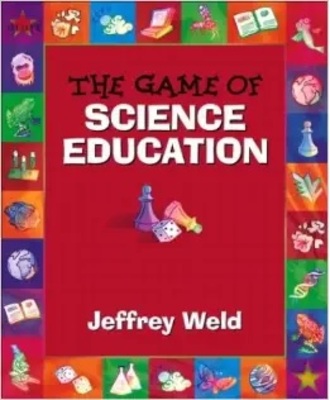
  • The Game of Science Education
  • Voices of Delinquency
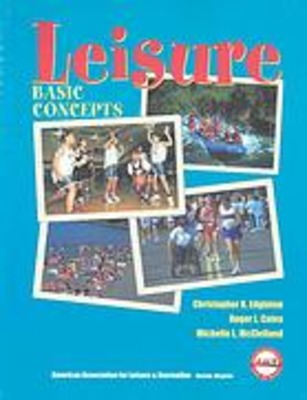
  • Leisure: Basic Concepts
  • Research in Reading Recovery: Volume 2
  • Swedish Excavations at Sinda, Cyprus: Excavations Conducted by Arne Furumark 1947-1948
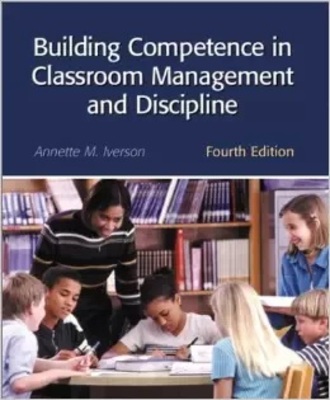
  • Building Competence in Classroom Management and Discipline
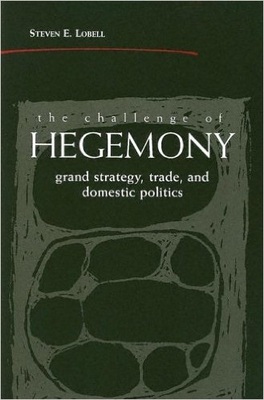
  • The Challenge of Hegemony: Grand Strategy, Trade, and Domestic Politics
  • Parallel Lines and the Hockey Universe
  • Invitation to Corrections: With Built-in Study Guides
  • Medieval Forms of Argument: Disputation and Debate
  • Leisure and Life Satisfaction: Foundational Perspectives
  • Shelley's Textual Seductions: Plotting Utopia in the Erotic and Political Works
  • Organizational Change, Environmental Uncertainty, and Managerial Control in a Large Post-Reform American Prison System
  • The Farm as Natural Habitat: Reconnecting Food Systems With Ecosystems
  • Decision Support Systems: Concepts and Resources for Managers
  • Communication: Making Connections
  • Filmography of American History
  • Chaucer and the Discourse of German Philology: A History of Reception and an Annotated Bibliography of Studies, 1793-1948
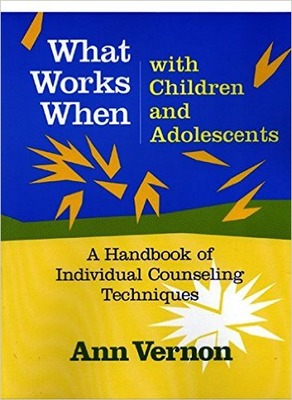
  • What Works When with Children and Adolescents: A Handbook of Individual Counseling Techniques
  • Managing Recreation, Parks, and Leisure Services : An Introduction
  • Who Speaks for the Poor?: National Interest Groups and Social Policy
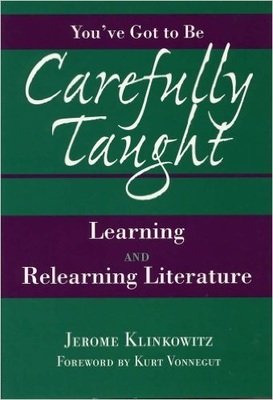
  • You've Got to Be Carefully Taught: Learning and Relearning Literature
  • Law, Business, and Society
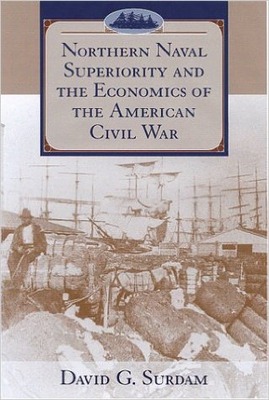
  • Northern Naval Superiority and the Economics of the American Civil War
  • Deforestation, Environment, and Sustainable Development: A Comparative Analysis
  • Counseling Female Offenders And Victims: A Strengths-restorative Approach
  • An Intertextual Study of the Psalms of Solomon: Pseudepigrapha
  • Face of the Earth, Heart of the Sky
  • University of Northern Iowa, from the College History Series
  • Women and the Criminal Justice System
  • Social Work with Lesbians, Gays, and Bisexuals: A Strengths Perspective
  • Modern Woodworking: Tools, Materials, and Processes
  • Modern Carpentry: Building Construction Details in Easy-to-Understand Form
  • Policing in America
  • Leadership in Recreation and Leisure Service Organizations
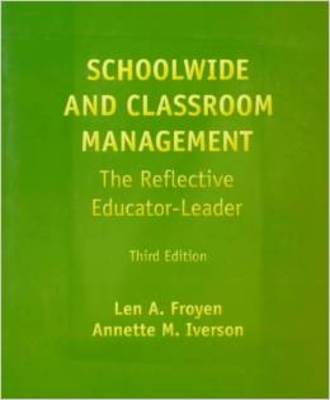
  • Schoolwide and Classroom Management: The Reflective Educator-Leader
  • Galileo's Planet: Observing Jupiter Before Photography
  • Owning a Piece of the Minors
  • With the Tigers Over China, 1941-1942
  • Conflict & Diplomacy From The Great War to the Cold War
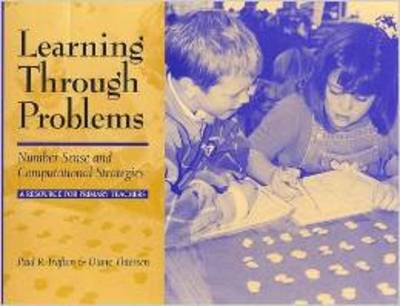
  • Learning Through Problems: Number Sense and Computational Strategies
  • Counseling Children and Adolescents
  • Everything Paid For
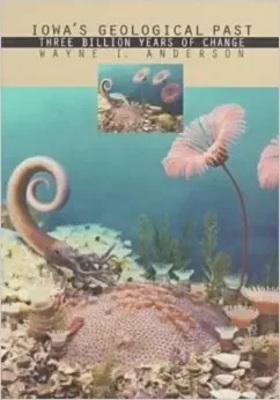
  • Iowa's Geological Past: Three Billion Years of Earth History
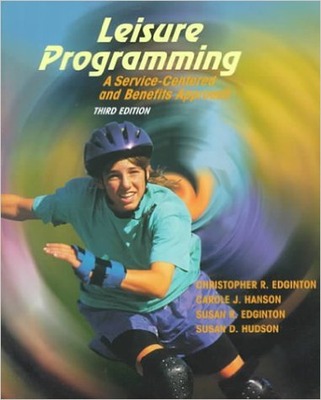
  • Leisure Programming: A Service-Centered and Benefits Approach
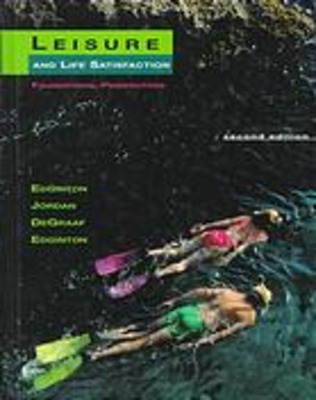
  • Leisure and Life Satisfaction: Foundational Perspectives
  • Literature and Expressive Activity
  • Sex and Citizenship in Antebellum America
  • Schooling Children with Down Syndrome: Toward an Understanding of Possibility
  • Keeping Literary Company: Working with Writers Since the Sixties
  • Vonnegut in Fact: The Public Spokesmanship of Personal Fiction
  • Quality Problem Solving
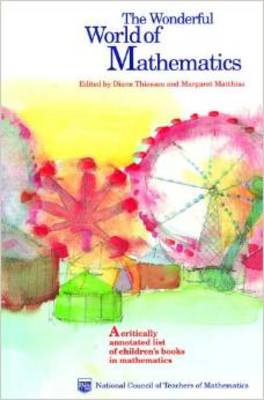
  • The Wonderful World of Mathematics: A Critically Annotated List of Children's Books in Mathematics
  • Water Resource Management: A Comparative Perspective
  • U.S. Department of Transportation: A Reference History
  • The Peruvian Labyrinth: Polity, Society, Economy
  • When a Crisis Hits: Will Your School Be Ready?
  • Building New York's Sewers: Developing Mechanisms of Urban Management
  • The Struggle for Student Rights: Tinker V. Des Moines and the 1960s
  • Odyssey of the Psyche: Jungian Patterns in Joyce's Ulysses
  • Sacrificed Lives: Kristeva on Women and Violence
  • Economic Dimensions of Gender Inequality: A Global Perspective
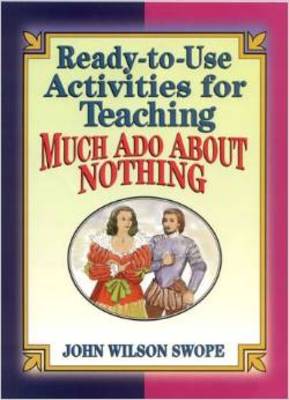
  • Ready-To-Use Activities for Teaching Much Ado About Nothing
  • Social Welfare: A World View
  • Novelistic Love in the Platonic Tradition: Fielding, Faulkner and the Postmodernists
  • Articulation & Phonological Disorders: A Book Of Exercises
  • Lithographic Technology in Transition
  • Picture Books to Enhance the Curriculum
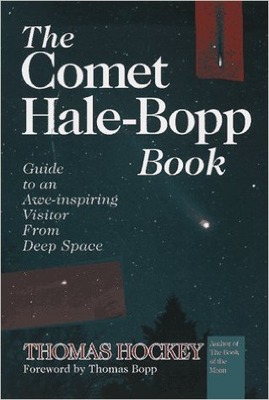
  • The Comet Hale-Bopp Book : Guide to an Awe-Inspiring Visitor from Deep Space
  • Here at Ogallala State U. : The Collected Effusions (With Commentary) of Our "Milt" Elliott
  • Yanks Over Europe: American Flyers in World War II
  • State Under Siege: Development and Policy Making in Peru
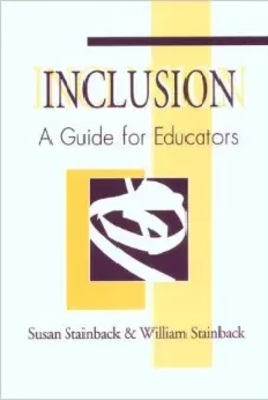
  • Inclusion: A Guide for Educators
  • Controversial Issues Confronting Special Education: Divergent Perspectives
  • Environmental Policies in the Third World: A Comparative Analysis
  • The Federal Government and Urban Housing: Ideology and Change in Public Policy
  • Basepaths
  • Rosa Luxemburg and the Noble Dream
  • Investigating the Unliterary: Six Essays on Burrough's Tarzan of the Apes
  • Alcoholism Treatment: A Social Work Perspective
  • What Growing Up Is All About: A Parent's Guide to Child and Adolescent Development
  • Speaking of Poets 2: More Interviews with Poets Who Write for Children And Young Adults
  • Women's Voices in our Time : Statements by American Leaders
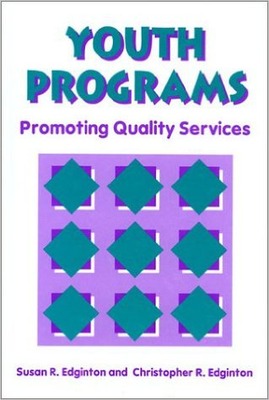
  • Youth Programs: Promoting Quality Service
  • Vascular Plants of Iowa: An Annotated Checklist and Natural History
  • Formal Feeling Comes: Poems in Form by Contemporary Women
  • The Care of Children with Long-Term Tracheostomies
  • Speaking of Poets: Interviews with Poets Who Write for Children and Young Adults
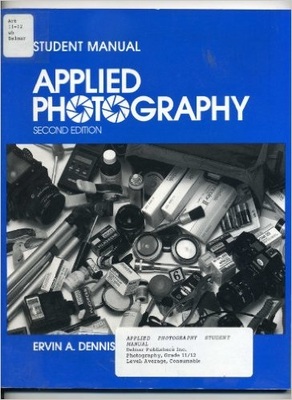
  • Applied Photography
  • The Ghost of Meter: Culture and Prosody in American Free Verse
  • Ownership, Control, and the Future of Housing Policy
  • New Horizons in Sephardic Studies
  • Developmental Assessment and Intervention with Children and Adolescents
  • Structuring the Void: The Struggle for Subject in Contemporary American Fiction
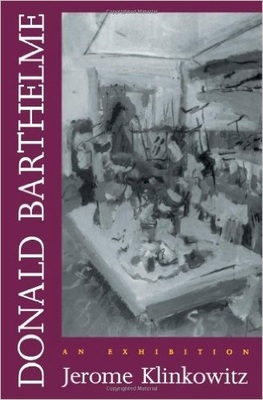
  • Donald Barthelme: An Exhibition
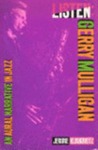
  • Listen-Gerry Mulligan: An Aural Narrative in Jazz
  • Support Networks for Inclusive Schooling: Interdependent Integrated Education
  • Literarischer Nominalismus im Spätmittelalter: Eine Untersuchung zu Sprache, Charakterzeichnung und Struktur in Geoffrey Chaucers Troilus and Criseyde
  • Educating All Students in the Mainstream of Regular Education
  • Religious and Ethnic Minority Politics in South Asia
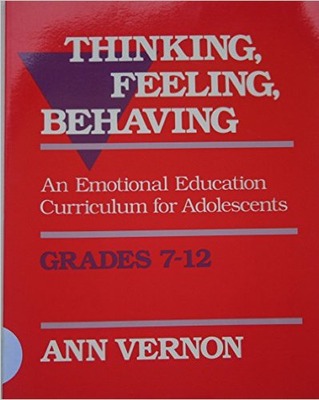
  • Thinking, Feeling, Behaving: An Emotional Education Curriculum for Adolescents/Grades 7-12
  • Thinking, Feeling, Behaving: An Emotional Education Curriculum for Children/Grades 1-6
  • How to Conduct Community Needs Assessment Surveys in Public Parks and Recreation
  • Rosenberg/Barthes/Hassan: The Postmodern Habit of Thought 
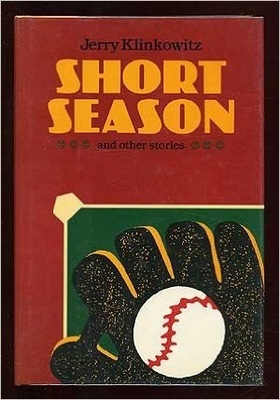
  • Short Season and Other Stories
  • How to Help Your Child Succeed in School
  • The Book of the Moon: A Lunar Introduction to Astronomy, Geology, Space Physics, and Space Travel
  • Applied Photography
  • The New American Novel of Manners: The Fiction of Richard Yates, Dan Wakefield, and Thomas McGuane
  • The Self-Apparent Word: Fiction as Language/Language as Fiction
  • Geology of Iowa: Over Two Billion Years of Change
  • Peter Handke and the Postmodern Transformation: The Goalie's Journey Home
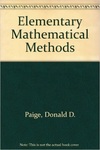
  • Elementary Mathematical Methods
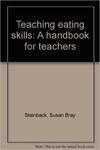
  • Teaching Eating Skills: A Handbook for Teachers
  • Government and Politics in India
  • Modern Industry: Structure, Materials, Processes, Products & Career
  • Modernization and Social Change in India
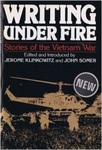
  • Writing Under Fire: Stories of the Vietnam War
  • The Life of Fiction
  • Cypro-Geometric Pottery, Refinements in Classification
  • Juvenile Victimization: The Institutional Paradox
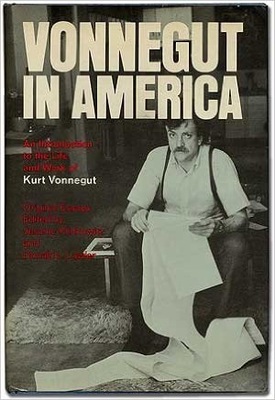
  • Vonnegut in America: An Introduction to the Life and Work of Kurt Vonnegut
  • Younger Critics of North America: Essays on Literature and the Arts
  • Literary Disruptions: Making of a Post-Contemporary American Fiction
  • Woodworking
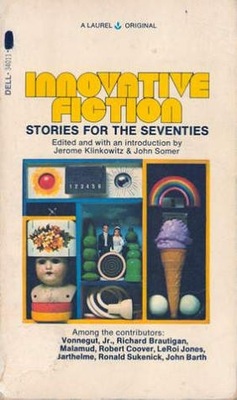
  • Innovative Fiction: Stories for the Seventies
  • Woodworking
 
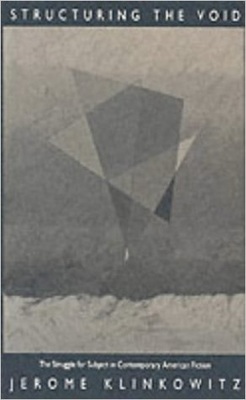
  • Structuring the Void: The Struggle for Subject in Contemporary American Fiction by Jerome Klinkowitz

    Structuring the Void: The Struggle for Subject in Contemporary American Fiction

    Jerome Klinkowitz

    If, as the literary theorists of postmodernism contend, “content” does not exist, then how can fiction continue to be written? Jerome Klinkowitz, himself a veteran practitioner and theorist of fiction, addresses this question in Structuring the Void, an account of what today’s novelists and short story writers do when they produce a fictive work. Klinkowitz’s focus is on the way in which writers have turned this lack of content itself into subject matter, and, by thus “structuring the void,” have created a new form of fiction. Among the writers Klinkowitz discusses are Richard Brautigan, Kurt Vonnegut, Max Apple, Saul Bellow, Erica Jong, Susan Quist, Gerald Rosen, Rob Swigart, and Grace Paley. He shows how, in the absence of subject matter, these writers persist in the act of structuring—by organizing autobiography as a narrative device, ritualizing national history and popular culture, or formalizing a comic response to a new imaginative state, the state of California. Klinkowitz also considers subjects such as gender and war, which, though they cannot be represented, nevertheless exercise contraints on a writer’s intention to structure. What emerges from Klinkowitz’s analysis is a clear sense of what today’s fiction—and fiction writing—is about. As such, Structuring the Void will prove invaluable to anyone with an interest in contemporary literature. -- Provided by publisher

  • Donald Barthelme: An Exhibition by Jerome Klinkowitz

    Donald Barthelme: An Exhibition

    Jerome Klinkowitz

    Donald Barthelme (1931–1989) is regarded as one of the most imitated and influential American fiction writers since the early 1960s. In Donald Barthelme: An Exhibition, Jerome Klinkowitz presents both an appreciation and a comprehensive examination of the life work of this pathbreaking contemporary writer. A blend of close reading, biography, and theory, this retrospective—informed by Klinkowitz’s expert command of postmodern American fiction—contributes significantly to a new understanding of Barthelme’s work. Klinkowitz argues that the central piece in the Barthelme canon, and the key to his artistic method, is his widely acknowledged masterpiece, The Dead Father. In turning to this pivotal work, as well as to Barthelme’s short stories and other novels, Klinkowitz explores the way in which Barthelme reinvented the tools of narration, characterization, and thematics at a time when fictive techniques were largely believed to be exhausted. Klinkowitz, who was one of the first scholars to study Barthelme’s work and became its definitive bibliographer, situates Barthelme’s life and work within a broad spectrum of influences and affinities. A consideration of developments in painting and sculpture, for example, as well as those of contemporaneous fiction, contribute to Klinkowitz’s analysis. This astute reading will provide great insight for readers, writers, and critics of contemporary American fiction seeking explanations and justifications of Barthelme’s critical importance in the literature of our times. -- Provided by publisher

  • Listen-Gerry Mulligan: An Aural Narrative in Jazz by Jerome Klinkowitz

    Listen-Gerry Mulligan: An Aural Narrative in Jazz

    Jerome Klinkowitz

  • Support Networks for Inclusive Schooling: Interdependent Integrated Education by William Stainback and Susan Stainback

    Support Networks for Inclusive Schooling: Interdependent Integrated Education

    William Stainback and Susan Stainback

  • Literarischer Nominalismus im Spätmittelalter: Eine Untersuchung zu Sprache, Charakterzeichnung und Struktur in Geoffrey Chaucers Troilus and Criseyde by Richard Utz

    Literarischer Nominalismus im Spätmittelalter: Eine Untersuchung zu Sprache, Charakterzeichnung und Struktur in Geoffrey Chaucers Troilus and Criseyde

    Richard Utz

    Innerhalb der philologischen Deutungen von Chaucers Troilus and Criseyde existieren eine Reihe kontrovers diskutierter Problemstände, etwa die proverbiale Redeweise des Pandarus, die Charakterzeichnungen der Criseyde und des Troilus oder die Spannungen zwischen der Haupthandlung und dem sogenannten Epilog. Bisherige methodische Ansätze, die meist auf Beobachtungen früh- und hochmittelalterlicher oder gar antiker Sprach- und Denktheorien basierten, konnten die erkannten Widersprüchlichkeiten keiner befriedigenden Lösung zuführen. Die diagnostizierte Defizienz vor allem allegorisch-exegetischer beziehungsweise boethianischer Erklärungsversuche wird in der vorliegenden Untersuchung durch die Konfrontation des literarischen Werkes mit einer ihm synchronen spätmittelalterlichen Kulturkonstituente, der philosophischen Denkbewegung des Nominalismus, überwunden. Das Einbringen dieser Folie des bestimmenden philosophischen Superstrats des 14. Jahrhunderts erhellt die spezifisch spätmittelalterliche Eigenart von Chaucers Werk. Die genannten Aporien der Forschung hinsichtlich Sprache, Charakterzeichnung und Struktur werden als Ausprägungen eines originellen, literarischen Nominalismus des Dichters erklärbar. -- Provided by publisher

  • Educating All Students in the Mainstream of Regular Education by Susan Stainback, William Stainback, and Marsha Forest

    Educating All Students in the Mainstream of Regular Education

    Susan Stainback, William Stainback, and Marsha Forest

  • Religious and Ethnic Minority Politics in South Asia by Dhirendra K. Vajpeyi and Yogendra K. Malik

    Religious and Ethnic Minority Politics in South Asia

    Dhirendra K. Vajpeyi and Yogendra K. Malik

  • Thinking, Feeling, Behaving: An Emotional Education Curriculum for Adolescents/Grades 7-12 by Ann Vernon

    Thinking, Feeling, Behaving: An Emotional Education Curriculum for Adolescents/Grades 7-12

    Ann Vernon

    This comprehensive and easy-to-use curriculum is based on the principles of Rational Emotive Therapy. It helps students learn to overcome irrational beliefs, negative feelings and attitudes, and the negative consequences that may result. The curriculum consists of two volumes -- one for grades 1-6 and one for grades 7-12. Each volume contains 90 field-tested activities that are carefully arranged by grade level. The activities include simulation games, stories, role plays, written activities, brainstorming, and art activities. -- Provided by publisher

  • Thinking, Feeling, Behaving: An Emotional Education Curriculum for Children/Grades 1-6 by Ann Vernon

    Thinking, Feeling, Behaving: An Emotional Education Curriculum for Children/Grades 1-6

    Ann Vernon

    This comprehensive and easy-to-use curriculum is based on the principles of Rational Emotive Therapy. It helps students learn to overcome irrational beliefs, negative feelings and attitudes, and the negative consequences that may result.The curriculum consists of two volumes -- one for grades 1-6 and one for grades 7-12. Each volume contains 90 field-tested activities that are carefully arranged by grade level. The activities include simulation games, stories, role plays, written activities, brainstorming, and art activities.The activities are organized into five categories: 1 Self-Acceptance2 Feelings3 Beliefs and Behavior4 Problem Solving/Decision Making5 Interpersonal RelationshipsThinking, Feeling, Behaving is designed for use in the classroom or in small-group settings and can also be adapted for use in individual counseling.A sampling of the activities from grades 1-6: I'm Afraid, It's OK to Goof Up, Like 'Em or Not, Goal for It, I Have to Have It My Way, Multiple Solutions, Talking It Out, Glad to Be Me, Put-Downs, How Might They Feel, Rose-Colored Glasses. -- Provided by publisher

  • How to Conduct Community Needs Assessment Surveys in Public Parks and Recreation by Susan D. Hudson

    How to Conduct Community Needs Assessment Surveys in Public Parks and Recreation

    Susan D. Hudson

  • Rosenberg/Barthes/Hassan: The Postmodern Habit of Thought  by Jerome Klinkowitz

    Rosenberg/Barthes/Hassan: The Postmodern Habit of Thought 

    Jerome Klinkowitz

  • Short Season and Other Stories by Jerome Klinkowitz

    Short Season and Other Stories

    Jerome Klinkowitz

    Each night, from April through August, up to a quarter of a million people in small towns and cities across America watch minor league baseball, experiencing the ups and downs of their local team -- every move, every player, every inning. Welcome to the world of Short Season. Meet the Mason City Royals. Live with the team for five months, across eight mid-western towns, with "no more than two days off from April through August and a night-long bus ride every three to six days." Join in the triumphs and misadventures of its collection of hopefuls and has-beens as they get to know each other in English and Spanish, admire baseball groupies, crisscross backroads propelled by a beery-eyed driver in a rattletrap bus, play cards, steal cars, get sent up and down, and somehow through it all play good enough ball to become the Class A champions. -- Provided by publisher

  • How to Help Your Child Succeed in School by Susan Stainback and William Stainback

    How to Help Your Child Succeed in School

    Susan Stainback and William Stainback

  • The Book of the Moon: A Lunar Introduction to Astronomy, Geology, Space Physics, and Space Travel by Thomas A. Hockey

    The Book of the Moon: A Lunar Introduction to Astronomy, Geology, Space Physics, and Space Travel

    Thomas A. Hockey

    Presents a nontechnical overview of intriguing information about our natural satellite, from the dawn of time to the day Neil Armstrong set foot on its surface, to 2001 and beyond. Fully illustrated with charts and photographs that clarify scientific points. Also explores exciting possibilities in years ahead--for the mining, colonization, and whatever its compelling, silvery presence inspires! - Provided by publisher

  • Applied Photography by Ervin A. Dennis

    Applied Photography

    Ervin A. Dennis

    This book should be of interest to introductory courses in photography. -- Provided by publisher

  • The New American Novel of Manners: The Fiction of Richard Yates, Dan Wakefield, and Thomas McGuane by Jerome Klinkowitz

    The New American Novel of Manners: The Fiction of Richard Yates, Dan Wakefield, and Thomas McGuane

    Jerome Klinkowitz

    In the 1960s, as the underpinnings of society weakened, the traditional novel form seemed less suited to describe American reality. Theorists groped towards non-mimetic fiction as the tools that had sustained the novel since its birth—coherent characterization, linear plot, symbolism—became tools of New Journalism. The New American Novel of Manners explores the virtual reinvention of the novel of manners in America out of the same subjectivity that charged the works of New Journalism. In place of the rigid social structures that never seemed to depict America, novelists such as Richard Yates, Dan Wakefield, and Thomas McGuane located America’s modern-day manners in its semiotics, in the system of signs that envelops us—the blue jeans people wear, the fast food they eat, the décor of the bars they drink in and the rock-and-roll lyrics that play through memories. The new generation of mannerists describe lifestyles that are determined by words and images, by actions that are dictated by what has been read and seen, and patterns of behavior in which life is edited and fictionalized. Klinkowitz reveals a fiction that is once again capable of reflecting the way people live. -- Provided by publisher

  • The Self-Apparent Word: Fiction as Language/Language as Fiction by Jerome Klinkowitz

    The Self-Apparent Word: Fiction as Language/Language as Fiction

    Jerome Klinkowitz

    “The novel is dead” was the cry of the 1960s, and so it was as an authoritative report concerning the world; but from that death, Klinkowitz argues, arose a form of writing that celebrates the crea­tive process, a narrative that is not about something but is something. Klinkowitz first characterizes the “modern” fiction of the earlier 20th cen­tury wherein the word fades into the background because the story line forms the essence of the fiction. Thus the word is “self-effacing.” Postmodern fiction, on the other hand, features the word. Words in postmodern fiction are opaque, not transparent. Of necessity we notice the word and must look closely at it; thus the word becomes “self-apparent.” -- Provided by publisher

  • Geology of Iowa: Over Two Billion Years of Change by Wayne Anderson

    Geology of Iowa: Over Two Billion Years of Change

    Wayne Anderson

  • Peter Handke and the Postmodern Transformation: The Goalie's Journey Home by Jerome Klinkowitz and James Knowlton

    Peter Handke and the Postmodern Transformation: The Goalie's Journey Home

    Jerome Klinkowitz and James Knowlton

    In 1966, Peter Handke disturbed the world of German letters with the publication of his first novel and with his attacks on the complacency of German-language writers and their audiences. Since then, Handke—an Austrian whose works include drama, poetry, and critical theory as well as fiction—has become a leading European figure in the internationally established postmodern movement. Klinkowitz and Knowlton survey Handke’s progress as a writer, concentrating on his novels, to determine whether his creativity has been exhausted by his persistent assault on the systems that underlie conventional fiction, drama, and poetry. By placing Handke’s work in the tradition of Gabriel García Márquez’s magic realism and Donald Barthelme’s innovative fictions, the authors demonstrate that postmodern writers can create works of art in which content is effaced and the process of composition assumes increasing importance. Indeed, in so doing, Handke has made that process as humanly interesting and as fictionally dramatic as any stories of The Great Tradition: he has learned to address the human condition within the limits of a rebellious aesthetic. The lesson of the postmodern transformation, Klinkowitz and Knowlton argue, is that the abstraction of content is not a loss; instead, it leads directly to the most essential human concerns. -- Provided by publisher



  • Elementary Mathematical Methods by Donald D. Paige, Diane Thiessen, and Margaret Wild

    Elementary Mathematical Methods

    Donald D. Paige, Diane Thiessen, and Margaret Wild

  • Teaching Eating Skills: A Handbook for Teachers by Susan Stainback and Harriet Healy

    Teaching Eating Skills: A Handbook for Teachers

    Susan Stainback and Harriet Healy

  • Government and Politics in India by Baljit Singh and Dhirendra K. Vajpeyi

    Government and Politics in India

    Baljit Singh and Dhirendra K. Vajpeyi

  • Modern Industry: Structure, Materials, Processes, Products & Career by Willis H. Wagner

    Modern Industry: Structure, Materials, Processes, Products & Career

    Willis H. Wagner

  • Modernization and Social Change in India by Dhirendra K. Vajpeyi

    Modernization and Social Change in India

    Dhirendra K. Vajpeyi

  • Writing Under Fire: Stories of the Vietnam War by Jerome Klinkowitz and John L. Somer

    Writing Under Fire: Stories of the Vietnam War

    Jerome Klinkowitz and John L. Somer

  • The Life of Fiction by Jerome Klinkowitz and Roy R. Behrens

    The Life of Fiction

    Jerome Klinkowitz and Roy R. Behrens

    "Applying a radiacally new style of criticism to the 'new fiction' of Kurt Vonnegut Jr, Donald Barthelme, Hunter S. Thompson, Ishmael Reed, Ronald Sukenick, Gilbert Sorrentino, and others." -- Provided by publisher

  • Cypro-Geometric Pottery, Refinements in Classification by Charles M. Adelman

    Cypro-Geometric Pottery, Refinements in Classification

    Charles M. Adelman

  • Juvenile Victimization: The Institutional Paradox by Clemens Bartollas, Stuart J. Miller, and Simon Dinitz

    Juvenile Victimization: The Institutional Paradox

    Clemens Bartollas, Stuart J. Miller, and Simon Dinitz
 

Page 10 of 11

  • 5
  • 6
  • 7
  • 8
  • 9
  • 10
  • 11


Search

Advanced Search

  • Notify me via email or RSS

Browse

  • Collections
  • Disciplines
  • Authors

Author Corner

  • Author FAQ

Links

  • Research and Sponsored Programs
  • Rod Library
  • Digital Collections
  • University Archives
  • Rod Library
  • UNI ScholarWorks
 
Digital Commons

Home | About | FAQ | My Account | Accessibility Statement | Contact Us

University of Northern Iowa
Rod Library
1227 W. 27th Street
Cedar Falls, IA 50614-3675
www.library.uni.edu